Original Medicare: no
Medicare Parts A and B cover medical care and "durable medical equipment" — a shower chair or a raised toilet seat can qualify with a prescription. Home modifications like a walk-in shower, grab bars installed into a wall, or a widened door do not. That's federal policy, not something a contractor or a doctor can work around.
Medicare Advantage: sometimes, a little
Some Medicare Advantage (Part C) plans sold in Oregon include a supplemental "home safety" or "bathroom safety" benefit — typically a fixed allowance for items like grab bars, hand-held showers, or a shower seat, occasionally for installation. It is almost never enough for a full walk-in shower, and it varies by plan and by year. Call the number on the back of the card and ask specifically about bathroom safety devices and home modifications; get the answer in writing before you count on it.
VA HISA grant: the big one for veterans
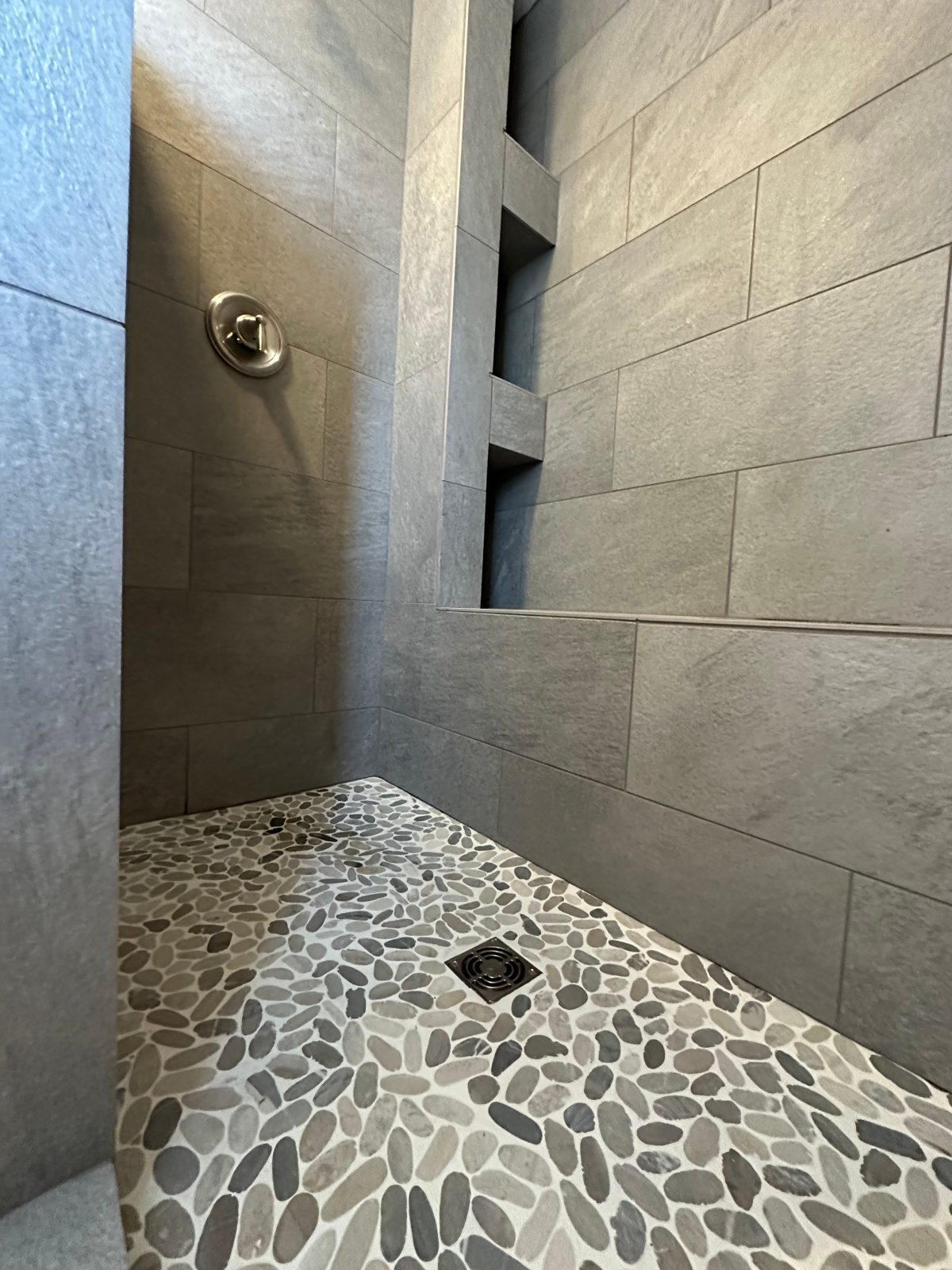
The VA's Home Improvements and Structural Alterations (HISA) grant pays for medically necessary home modifications — a roll-in or walk-in shower is a textbook example. As of 2026 the lifetime benefit is up to $6,800 for a service-connected condition (or a 50%+ rating) and up to $2,000 for a non-service-connected condition. It requires a prescription from a VA provider and a contractor's written estimate, which we provide in the format the VA wants. White City's VA Southern Oregon Rehabilitation Center & Clinics is where a lot of our clients start that conversation.
Veterans with more severe service-connected disabilities may also qualify for the larger SAH or SHA housing grants; the VA benefits office can tell you which applies.
Oregon Medicaid (Oregon Health Plan): yes, if you're on a waiver
Oregon seniors and people with disabilities who receive in-home Medicaid services through the state's Aging and People with Disabilities (APD) programs can often get environmental modifications — including bathroom changes that let someone stay home safely — paid through their service plan. The amount and process depend on your case manager and the current waiver rules. Call your local APD or Area Agency on Aging office (in Jackson County, that's the Rogue Valley Council of Governments' senior services) and ask about home modifications for safety.
USDA Section 504 Home Repair: rural homeowners 62+
If you own your home outside Medford's urban area — much of Jackson and Josephine County counts as rural for this program — and you're 62 or older with a very low income, the USDA Section 504 program offers grants (currently up to $10,000) and 1%-interest loans (up to $40,000) for repairs that remove health and safety hazards. A bathroom that's causing falls is exactly that. The USDA Rural Development office serving Southern Oregon handles applications.
Other places to look
- Rebuilding Together Rogue Valley and similar nonprofits sometimes do safety modifications for low-income seniors at no cost.
- Long-term-care insurance policies occasionally cover home modifications — read the policy.
- Tax: medically necessary home modifications can sometimes be deducted as medical expenses when they exceed the IRS threshold; ask a tax preparer, not us.
- Home-equity line or credit-union home-improvement loan — what most of our clients ultimately use, because the job pays back in safety and resale.
What we do to help
We write the estimate in whatever form the program wants, build to the program's specs (slip-resistant floor, rated grab bars, the shower dimensions the VA asks for), and provide completion photos and paperwork. We can't apply for you, and we won't pretend a program covers something it doesn't.